Will U.S. political risk insurance help restart oil traffic?
A widening Middle East conflict has created massive delays in the artery through which 20% of the world’s oil supply moves. Iran’s Revolutionary Guard has declared “not one litre of oil,” will transit the Strait of Hormuz.
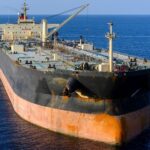
Since the Feb. 28 start of U.S. and Israeli military operations against Iran, the Strait has been described last week as a “parking lot” by one RBC expert as tankers fearing attacks are trapped there. The stoppage is driving up oil and gas prices globally.
On March 3, the U.S. International Development Finance Corporation (DFC) proposed a plan to provide political risk insurance and other financial guarantees for ships moving through the Straight. The agency, which invests in companies and projects overseas, issued a notice saying it “is ready to mobilize its Political Risk Insurance and Guaranty products to stabilize international commerce and support American and allied businesses operating in the Middle East [during the conflict].”
But that might not succeed in clearing the waterway, says a report from Marcos Alvarez and Elizabeth Rudman, both managing directors for global financial institution ratings at Morningstar DBRS.
“We believe that government-provided primary insurance may have limited success in clearing the current shipping backlog,” say their report. “The principal constraint facing shipowners is not only insurance availability but also the heightened navigation risks in the region. Missile attacks, drone strikes, and vessel damage have materially increased the probability of loss.
“Insurance alone does not materially reduce the operational risk faced by crews and vessels.”
Related: A protracted Iran war spells trouble for Canada’s insurers
An offer of U.S. naval escorts for ships transiting the region is part of DFC’s proposal, aimed at getting energy flowing and restoring confidence to shipping companies and vessel owners. And the DFC “would either insure directly or reinsure private insurers,” the ratings agency says. To do that, it would use the 1936 U.S. Merchant Marine Act which allows issuing of war risk insurance and reinsurance.
Military activity around the Strait has led to marine insurers withdrawing or suspending war risk coverage for ships currently in the Persian Gulf. The situation heightens a range of risks for marine shippers, Alvarez and Rudman note, including loss of life, destruction of shipping assets and environmental liability.
But the ongoing danger may mean any government-backed coverage won’t make the difference for many ship owners. Further, there may be skepticism about the capacity of naval escorts to meet the traffic volume.
“Even if convoy systems are implemented, naval resources could restrict throughput and impose slow transit times, limiting the program’s ability to quickly reduce the number of ships waiting to cross the strait,” the commentary notes.
What’s more, the presence of “government insurance could displace private marine insurers, potentially weakening market-based pricing and risk management.”
Related: What the war with Iran means for Canada’s P&C insurance industry
Instead, Alvarez and Rudman say, it might be better to create a government reinsurance ‘backstop’ to private marine insurers. A similar framework was created after 9-11 under the U.S. Terrorism Risk Insurance Act.
That arrangement did not provide direct primary insurance. Instead, it backstopped private insurers by sharing risk once losses hit a specified threshold.
“This structure preserves the role of private insurers in underwriting and pricing risk while ensuring that coverage remains available during periods of extreme uncertainty,” Alvarez and Rudman say.
Under those circumstances, the report says, private insurers and ‘protection and indemnity clubs’ would continue to underwrite voyages through the Persian Gulf and “maintain underwriting discipline, maintain a proven claims management process, and preserve market capacity.”