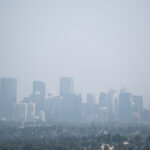
Canada’s wildfires aren’t burning through insurers’ balance sheets
As American politicians sound the alarm about drifting smoke from Canadian wildfires, and First Nations communities in Northeastern Ontario evacuate, Canadian property and casualty insurers are emerging relatively “unscathed,” ratings agency Morningstar DBRS reports.
“Canada’s year-to-date area burned has reached approximately 2.95-million hectares, surpassing the comparable 10-year average of roughly 2.55-million hectares,” Morningstar DBRS reports. “While the situation warrants close monitoring, we do not believe the current wildfire activity is translating into a severe loss event for the Canadian insurance industry….
“The ultimate impact on insurers will depend less on the total area burned and more on whether fires threaten major population centres and areas with significant concentrations of insured property.”
Morningstar DBRS adds the financial health of the Canadian P&C industry is better than it was when they paid out $9.1 billion for catastrophic claims in 2024 — a record high. This time, the industry is in a sounder financial position to handle wildfire claims.
Where there’s smoke
In June 2026, Insurance Bureau of Canada told Canadian Underwriter smoke damage is covered under a standard home insurance policy, subject to the terms and conditions of the policy.
“There is no separate or different distinction for fire versus smoke damage — fire and smoke damage are covered under a standard home insurance policy,” IBC said at the time.
Currently, there are 179 active wildfires in Ontario burning more than 732,000 hectares of land, according to the Forest Fire Info Map of the Ontario Ministry of Natural resources.
First Nations leaders have called for a public inquiry into how the Ontario government handled its wildfire response and evacuations, CTV news reported July 21.
Meanwhile U.S. President Donald Trump threatened to impose new tariffs on Canada, after hundreds of wildfires left much of the northern US covered by a blanket of smoke, as BBC reported.
“We are holding Canada responsible for the fact that they are not properly maintaining their forests, and brush therein, and the United States is being unnecessarily invaded by filthy, polluted, and unhealthy air, the quality of which is dangerous, and totally unacceptable!” the U.S. President posted on Truth Social. He further accused Canada of “willful negligence” over wildfire management.
Ontario Premier Doug Ford called U.S. officials’ remarks “absolutely unacceptable,” suggesting the U.S. offer help to douse the Ontario fires rather than criticize Canada.
Related: Column | Wildfire rebate model works. It’s just not offered where the fires are burning
As the political conflagration over the smoke spreads, Morningstar DBRS notes Canada’s P&C insurance industry is not burning much of its capital to pay for claims.
“Strong underwriting profitability, capital buffers, adequate personal-property pricing, and improving reinsurance conditions leave Canadian P&C insurers well-positioned to absorb moderate wildfire losses,” the report says.
Of the more than 900 wildfires actively burning across Canada, the most significant fires are mainly concentrated in remote areas of northwestern Ontario and northern Québec, the ratings agency observes.
The Ontario and Quebec wildfires are burning “where insurance penetration, property values, population density, and commercial activity are relatively low,” says Morningstar DBRS. “Direct property claims are therefore likely to remain contained, and claims arising from evacuation orders, additional living expenses, and business interruption should also be manageable.”
Related: Wildfire haze: How satellites help the industry see through the smoke
And while smoke billows from wildfires in northern Ontario and Quebec, wildfires in B.C. and Alberta have thus far not translated into Cat claims events.
British Columbia and Alberta, the provinces historically most exposed to costly wildfires, have witnessed limited activity so far in 2026, Morningstar DBRS says. About 43,000 hectares have burned to date in British Columbia and 18,000 hectares in Alberta, well below their comparable 10-year, year-to-date averages.
“The insurance risk is typically greater in these provinces because many communities, including Fort McMurray, Jasper, and several cities in Interior British Columbia, are in wildfire-prone areas with substantial concentrations of insured property,” Morningstar DBRS says.
“Indeed, most of Canada’s costly wildfires over the past decade occurred in either Alberta or British Columbia.”