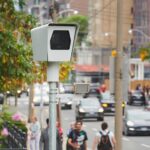
How Ontario’s plan to scrap speed cameras could raise insurance premiums
Watch for auto insurance rates to increase if Ontario proceeds with its plan to remove speed cameras, a P&C insurance industry exec predicts.
“If municipalities become riskier, and there’s more accidents or more records of drivers being pulled over, it could have a longer-term effect on how certain areas are rated and could increase the price of insurance,” says Matt Hands, vice president of insurance at Ratehub.ca.
“More directly, if there is more police presence out there, and more people getting pulled over by police, it will have an individual impact on the drivers themselves.”
Ontario Premier Doug Ford announced earlier this month his government will soon introduce legislation to ban the use of speed cameras, calling the enforcement tool a “cash grab.”
The risks of banning speed cameras
But over the long term, removing speed cameras could end up costing drivers just as much — or even more — through insurance premium increases, says Hands.
“If you repealed the ability to use speed cameras, you’re going to add more risk. You’re going to have more accidents. There could be catastrophic losses. And if that’s the case, that’s when you’re going to see the impact on insurance,” he says. “Overall, it would affect the rating algorithm.”
Build Cyber Resilience Without a Big IT Budget
By
Sponsor ImageFord’s proposal for more traffic enforcement via an increased police presence could have a material impact on an individual’s premiums, Hands says. In comparison, drivers who receive a ticket from a speed camera won’t see that impact on their insurance.
“If you physically get pulled over by a police officer, because then they can identify you, the ticket is actually attached to your record, and that will impact your insurance.”
One minor speeding offence issued by police could increase rates by 11% over three years, according to Ratehub.ca data. Someone with a clean driving record by comparison would see no traffic-offence-related increases.
Two minor traffic offences (such as speeding and failure to yield) could increase rates by 52% over three years. And three minor offences (speeding, failure to yield and improper lane change) could increase rates by 119%.
Ratehub.ca’s analysis was based on a 35-year-old female G-licensed driver in Mississauga driving a 2020 Hyundai Elantra with a $1,000 deductible and $1 million in liability coverage.
But the key thing about getting a ticket “is that it lasts on your record for three years,” says Hands.
“If you get a ticket, it won’t impact you that day. But where you would probably see it is on your renewal, or if you shopped around,” he says. “Not every insurance company pulls your driver abstract every year. So sometimes you might get a ticket and expect your rates to go up, but it doesn’t go up that one year. Then it goes up year two.”
How brokers can help
If an insured person gets a speeding ticket, they can take steps to reduce or eliminate the consequences to their premiums.
For example, the driver can either fight the ticket in court or use a ticket-fighting company, says Hands. These companies help you go to court to fight the ticket and maintain a clean driving record.
That can remove the impact of that ticket on your insurance premiums. At the very least, it can delay the premium impact, because a ticket only goes on your driving record once convicted.
“In the reality of the insurance game…it’s the number of tickets that are actively on your record and the type of tickets, [that matter],” says Hands. “Whether they’re minor, major or criminal, that will really have an impact on your insurance.”
And if insureds do obtain a ticket raising their premiums, brokers can still help them shop around for a better rate.
Even with a ticket, “you may find a company that’s willing to offer you a better rate than your current company,” he says.